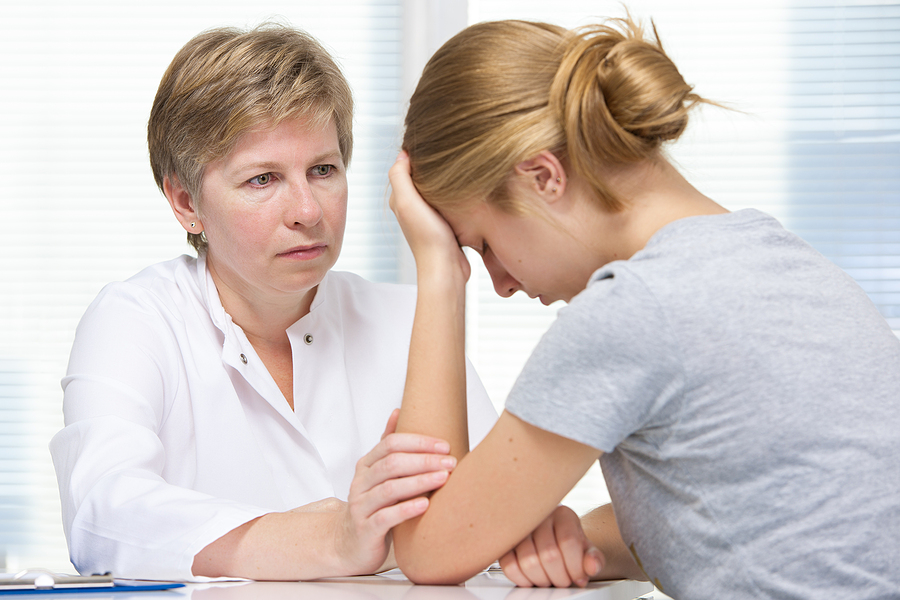
Finding out that your teen is hurting themselves can be terrifying. You may want to take away every sharp object in the house, demand answers, or ask why they would do this to themselves. Those reactions are understandable, but they can make it harder for your teen to keep talking.
Self-harm is often connected to emotional pain, stress, anxiety, depression, trauma, or feeling overwhelmed. It does not always mean a teen wants to die, but it should still be taken seriously. The first step is to understand what is happening and get the right kind of help.
What Signs of Self-Harm Should Parents and Caregivers Take Seriously?
Sometimes the signs are visible. You may notice unexplained cuts, burns, scratches, or wounds that keep appearing. Your teen might start wearing long sleeves or pants in hot weather or become unusually private about changing clothes.
There can be behavioral changes too. Maybe your teen suddenly spends more time alone. They may stop seeing friends, become more irritable, or seem overwhelmed by small problems. You might hear comments about feeling worthless, hopeless, or like a burden. One sign does not automatically mean your teen is self-harming. A pattern deserves a closer look.
How Should You Respond When a Teen Tells You They Are Self-Harming?
Try to keep the first conversation calm. You may be scared, but yelling or demanding your teen stop immediately can shut down the conversation. Avoid treating self-harm like bad behavior that deserves punishment.
Listen first. Ask how long it has been happening and what your teen usually feels right before they hurt themselves. You can also ask whether they have thought about suicide or made a plan to die.
Those questions may feel uncomfortable, but they matter. Then arrange an evaluation with a mental health professional who works with adolescents.
What Can You Do During an Immediate Self-Harm Crisis?
Some situations cannot wait for a regular therapy appointment. If your teen has a serious injury, has taken an overdose, says they plan to die, or cannot stay safe, seek emergency medical or psychiatric care. Stay with them while you arrange help.
If there is no immediate emergency, talk with your teen’s treatment provider about creating a safety plan. That plan can identify warning signs, people your teen can contact, and steps they can take when the urge to self-harm becomes strong.
You may also need to make medications, weapons, or other dangerous items harder to access at home.
How Can Therapy Address the Reasons Behind Self-Harm?
The behavior itself is only part of what needs attention. A therapist will usually want to know what happens before your teen self-harms.
Maybe they feel rejected after an argument with a friend. Perhaps school pressure becomes unbearable. Some teens self-harm when they feel numb and want to feel something. Others describe it as a way to release anger or emotional pain. Therapy can help your teen notice those patterns earlier.
Approaches such as CBT and DBT can also help teens work on emotional regulation, problem-solving, communication, and what to do when distress starts building.
Which Coping Skills Can Help Teens Replace Self-Harm Behaviors?
Telling a teen to “just distract yourself” usually is not enough. They need something they can actually use when the urge is strong.
That may include leaving a stressful situation, calling someone they trust, writing down what they are feeling, exercising, listening to music, practicing paced breathing, or using grounding techniques.
Different strategies work for different people. A therapist can help your teen figure out which ones actually reduce the urge instead of handing them a long list of suggestions they never use. The idea is to give your teen more than one option when things feel unbearable.
When Does a Teen Need a Higher Level of Mental Health Care?
Weekly therapy may work for some teens. Others need more support. If self-harm is happening more often, your teen is having trouble staying safe, school is falling apart, or regular outpatient therapy has not been enough, a more structured program may be worth considering.
Intensive outpatient programs (IOPs) and partial hospitalization programs (PHPs) provide more therapy during the week while often allowing teens to continue living at home.
At Alis Behavioral Health, we offer PHP and IOP care for teens ages 11 through 17. Treatment can include individual therapy, group therapy, family sessions, and skills drawn from approaches such as CBT and DBT.
Get Help For Your Teen From Alis Behavioral Health
You do not have to decide on your own whether your teen needs weekly therapy, IOP, PHP, or another level of care.
At Alis Behavioral Health, we work with teens ages 11 through 17 who are dealing with self-harm and other mental health concerns. We offer PHP and IOP treatment in Denver and Westminster, along with individual, group, and family support.
Contact Alis Behavioral Health by calling (888) 528-3860 or using our online contact form. Talk with our team about treatment options for your teen.