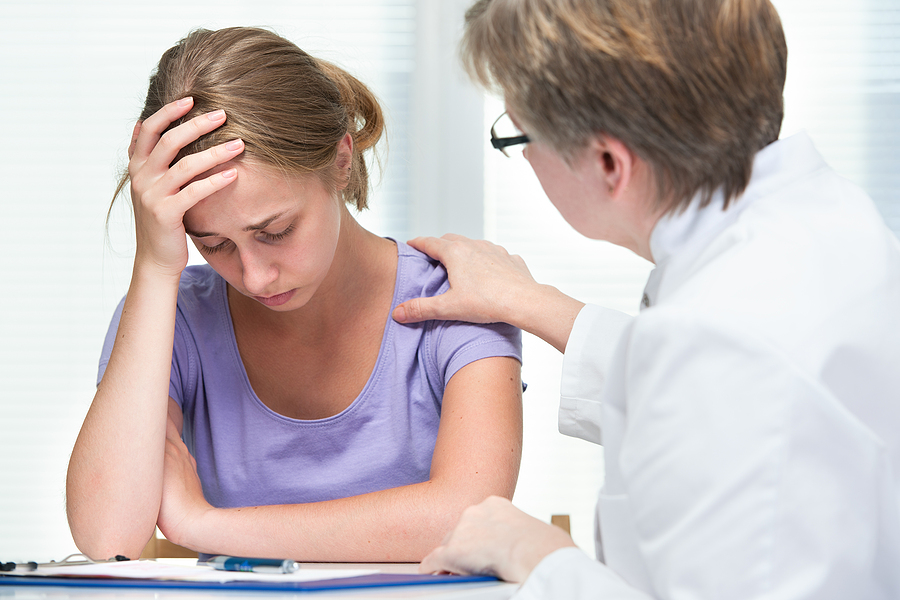
When a teen’s grades start dropping, it is easy to assume they are being lazy, distracted, or careless. Sometimes school stress or poor study habits are part of the problem. But a sudden or steady drop in grades can also be a sign that something deeper is going on.
At Alis Behavioral Health, we work with teens struggling with mental health issues, including depression. Declining grades can be linked to depression, and the right care can help your teen recover and get back on track.
Teens Face More Stress Than Ever
Most teens have rough weeks at school. Exams, projects, social pressure, and packed schedules can affect grades for a while. The concern is when the pattern keeps going.
If grades continue to drop over several weeks or months, especially when your teen is also withdrawing, sleeping more, avoiding school, or acting differently at home, it may be more than normal stress.
Depression can make it harder for teens to recover from setbacks. One bad grade turns into a missing assignment. A missing assignment turns into falling behind. Falling behind turns into panic, avoidance, or shutting down completely.
You may also notice that encouragement does not work the way it used to. Rewards, reminders, consequences, or pep talks may not move them because the issue is not simply effort.
Changes Teachers May Notice First
Sometimes teachers see the shift before parents do.
A teen who used to participate may stop raising their hand. They may seem tired, distracted, or checked out in class. They may sit alone, avoid group work, or stop turning in assignments even when they understand the material.
Attendance can also change. More absences, late arrivals, visits to the nurse, or requests to leave class may point to a larger issue.
If more than one teacher is noticing the same thing, pay attention. A pattern across classes usually means the problem is not just one subject or one difficult teacher.
Signs Parents May See at Home
Falling grades often come with other changes.
Your teen may spend more time alone, lose interest in things they used to enjoy, or seem harder to talk to. They may get irritated quickly or react strongly to small comments. Some teens become tearful or anxious. Others seem flat, numb, or disconnected.
Sleep changes are common, too. Some teens sleep constantly and still seem tired. Others stay up late, have trouble falling asleep, or cannot wake up for school.
You may also notice changes in appetite, hygiene, friendships, or how much time they spend on their phone. None of these signs prove depression on their own, but together they can point to a teen who needs more support.
How Schools Can Help
Schools can be useful partners when grades start slipping.
Teachers, school counselors, and academic advisors may be able to help identify patterns, track missing work, and notice changes in behavior during the day. They can also help you understand whether the issue is happening in one class or across the board.
Open communication matters. If your teen is struggling emotionally, the school may be able to offer short-term academic support while you look into mental health care.
That does not mean school support replaces treatment. It just gives everyone a clearer picture of what is happening.
When to Seek a Mental Health Evaluation
If grades are dropping and you are also seeing emotional, behavioral, sleep, or social changes, it is worth getting a professional evaluation.
That does not mean something is permanently wrong with your teen. It means you need better information. Mental health assessments may determine whether depression, anxiety, ADHD, trauma, substance use, or another issue may be affecting school and daily life.
It is better to ask early than to wait until your teen is completely overwhelmed. The longer symptoms go untreated, the harder it can be for a teen to catch up emotionally and academically.
How Alis Behavioral Health Can Help
At Alis Behavioral Health, we work with teens whose mental health is affecting school, relationships, motivation, and daily routines.
Our team helps identify what may be driving the changes and builds a treatment plan around the teen’s needs. Care may include individual therapy, group support, family involvement, and practical coping skills for managing stress, mood, and school pressure.
If your teen’s grades are dropping and they seem different than usual, it may be time to take a closer look. Contact us by calling (888) 528-3860 or use our online contact form. Alis Behavioral Health can help you understand what is happening and what kind of support may help next.