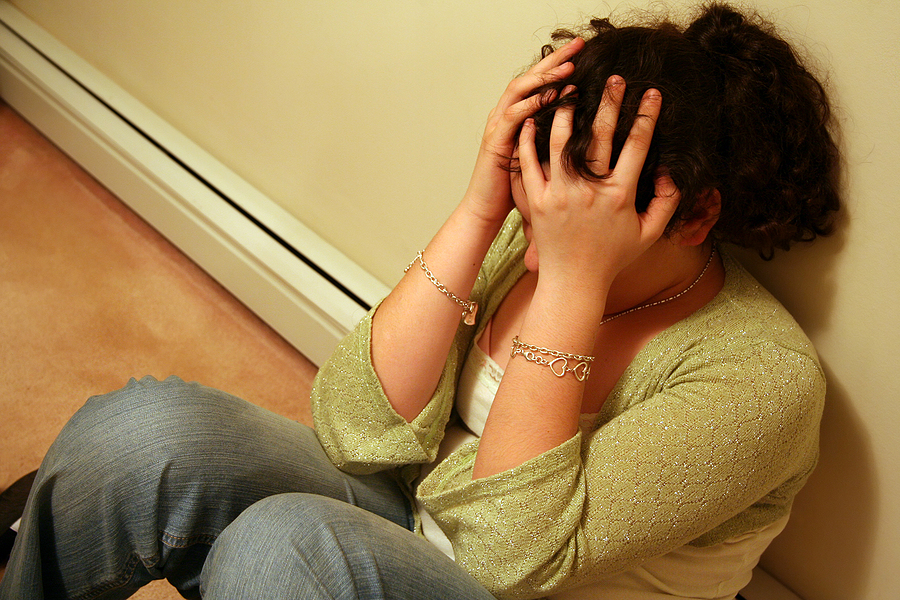
You’ve noticed something’s off with your teenager. Maybe they’re sleeping more than usual, or they’ve stopped caring about grades that once mattered to them. Perhaps they snap at you over small things, or they’ve withdrawn from activities they used to love. These changes might feel sudden, or they could have crept in so gradually that you’re only now realizing how different things have become.
Academic burnout in teens is real, and it’s becoming more common as we, as a society, put more pressure on teenagers. As parents, we often struggle to distinguish between typical teenage behavior and signs of something more serious. This guide will help you recognize the warning signs and know when it’s time to reach out for support.
What Academic Burnout Looks Like in Teenagers
Academic burnout goes beyond having a bad week or feeling tired after exams. It’s a state of chronic physical and emotional exhaustion that stems from prolonged academic stress. When teens experience burnout, they feel:
- Depleted
- Cynical about school
- Increasingly ineffective in their studies
Think of burnout as having an empty gas tank in your car. When this happens, your teen has been running on fumes for so long that they simply have nothing left to give. The homework that used to take an hour now feels impossible for them to complete, no matter the amount of time they have after school to complete it. The test they would have studied for gets ignored. They’re not being lazy or defiant. They’re genuinely exhausted in a way that sleep alone can’t fix.
Burnout affects how teens think, feel, and function. It changes their relationship with school, their friends, and even themselves. Unlike temporary stress that comes and goes with specific events, burnout settles in and doesn’t lift easily without intervention.
Common Signs Your Teen May Be Experiencing Burnout
Teens experiencing burnout often show a dramatic shift in their academic engagement. A student who once took pride in their work might start turning in incomplete assignments or stop trying altogether. They may express feelings of hopelessness about their ability to succeed, saying things like “What’s the point?” or “Nothing I do matters anyway.”
You might notice your teen procrastinating more than usual, not because they’re being irresponsible, but because the thought of starting their work triggers overwhelming anxiety. They may spend hours staring at a blank page or refreshing social media instead of studying, trapped in a cycle of avoidance and guilt.
Social withdrawal from their friends is another red flag, especially if you don’t know of a conflict with that particular friend. Teens with burnout often pull away from friends, skip extracurricular activities, and spend more time alone in their rooms. They may seem irritable or emotionally distanced compared to their normal personality traits, showing little enthusiasm for things that once brought them joy.
Physical Symptoms of Academic Exhaustion
As the saying goes, your body keeps score when your mind is overwhelmed. Teens experiencing academic burnout frequently complain of headaches, stomachaches, or general physical discomfort. These aren’t excuses to avoid school, but rather real physical manifestations of chronic stress.
Sleep patterns often change dramatically. Some teens sleep excessively, using sleep as an escape from their stress. Others develop insomnia, lying awake at night with racing thoughts about upcoming assignments and tests. Either way, they wake up feeling unrefreshed and exhausted.
Changes in appetite are common, too. Your teen might skip meals, forget to eat, or conversely, turn to food for comfort. You may notice they’re getting sick more often, as chronic stress weakens the immune system. Frequent colds, infections, or vague complaints of not feeling well can all point to burnout.
Some teens develop nervous habits like nail biting, hair pulling, or skin picking. Others experience a new source of tension in their neck and shoulders, or complain of feeling physically heavy or weighed down. These physical symptoms deserve attention from a medical professional, even when medical tests come back normal.
Emotional and Behavioral Changes to Watch For
Burnout transforms how teens experience and express emotions. You might see increased irritability, with your teen snapping over minor issues or having emotional outbursts that seem disproportionate to the situation. They may cry more easily or seem on the verge of tears much of the time.
Many burned-out teens describe feeling numb or disconnected. They go through the motions of daily life without really being present. When you ask how they’re doing, they might shrug or give one-word answers. This emotional flatness can be particularly concerning because it suggests they’ve moved beyond stress into a deeper state of depletion.
Perfectionism often plays a role in burnout, and you may notice your teen becoming increasingly self-critical. They focus on their mistakes and dismiss their accomplishments. No grade is ever good enough. No effort feels sufficient. This harsh inner dialogue fuels the cycle of exhaustion and hopelessness.
Some teens become cynical about school and education in general. They question why they’re learning certain subjects or express beliefs that their efforts won’t lead anywhere meaningful. This cynicism is a protective mechanism, a way of caring less to avoid the pain of continued disappointment.
The Difference Between Stress and Burnout
Stress and burnout exist on a continuum, but they’re not the same thing. Stress involves too much, such as too many pressures, demands, and responsibilities. Burnout involves not enough, for instance, not enough energy, motivation, or hope.
A stressed teen still believes that if they can just get through the next test, finish the project, or make it to winter break, things will improve. A burned-out teen has lost that hope. They can’t see a light at the end of the tunnel because the tunnel feels endless.
Stress is characterized by hyperactivity and urgency. Stressed teens are often anxious and reactive, feeling like they need to do everything right now. Burnout, on the other hand, brings disengagement and helplessness. Burned-out teens feel like nothing they do will make a difference, so why bother trying?
The emotions differ, too. Stress produces anxiety and fear. Burnout produces detachment and depression. A stressed teen worries about failing. A burned-out teen has stopped caring whether they fail or not. This is an important difference to note because these are very different things.
Why Academic Burnout Happens to Teens
Today’s teens face unprecedented academic pressure. Many feel they need perfect grades, impressive extracurriculars, leadership positions, volunteer hours, and stellar test scores just to have a chance at college admission. The stakes feel impossibly high, and the competition seems endless.
The school day itself has intensified. Advanced Placement courses, honors classes, and rigorous curricula mean teens are often doing college-level work while still in high school. Add in homework, test prep, and projects, and many teens are working 50 or 60 hours a week on academics alone.
Sleep deprivation compounds the problem. Teens need at least 8 to 10 hours of sleep per night for proper development, but many teens today get far less. In many cases, teens have access to their smartphones in their bedrooms and may waste time scrolling on their social media accounts or texting friends instead of getting the sleep they need.
How Social Media and Technology Contribute to Burnout
Technology and social media platforms mean teens are never truly off. They receive notifications about assignments at all hours. Group chats buzz with homework questions. The boundary between school time and personal time has dissolved, leaving teens feeling like they’re always “on” and never able to fully relax.
Online learning platforms and apps, while useful, can add to the pressure. Teens can constantly check their grades, see every missing assignment, and monitor their class rank. This constant access to academic performance data creates anxiety and prevents them from mentally stepping away from school stress.
Don’t forget, many teens love social media and gaming, too. Combined, this leads to burnout and feelings of being overwhelmed.
The dopamine hits from social media and gaming can also become a form of escape for burned-out teens. They may spend hours scrolling or playing games, not because they’re enjoying it, but because it provides temporary relief from the stress they feel. This creates guilt and further time pressure, worsening the burnout cycle.
Academic Pressure and Mental Health
Academic burnout doesn’t exist in isolation. It often coexists with or contributes to other mental health challenges like anxiety and depression. The chronic stress of burnout can trigger or worsen these conditions, creating a complex web of symptoms that reinforce each other.
Teens experiencing burnout may develop anxiety disorders, particularly generalized anxiety or panic disorder. The constant pressure and fear of failure can lead to:
- Persistent worry
- Physical anxiety symptoms
- Panic attacks
Consider talking with teachers or school counselors about your concerns. Many schools can provide accommodations or support for students experiencing mental health challenges. Sometimes reducing the academic load temporarily can prevent a more serious crisis.
When to Seek Professional Help for Your Teen
Some situations require more than what parents can offer on their own. If your teen expresses thoughts of self-harm or suicide, seek immediate professional help. These thoughts indicate a mental health crisis that needs urgent attention from trained professionals.
Persistent symptoms that don’t improve with rest and reduced stress also warrant professional evaluation. If your teen has been struggling for weeks or months without improvement, they may need therapy, counseling, or other interventions to recover.
Watch for signs that burnout has progressed to clinical depression or anxiety. If your teen shows symptoms like persistent sadness, loss of interest in all activities, significant changes in weight or sleep, difficulty concentrating, or physical symptoms of anxiety, a mental health professional can provide proper assessment and treatment.
Academic performance that continues to decline despite your teen’s efforts may indicate they need additional support. Sometimes learning differences, ADHD, or other challenges contribute to burnout, and proper diagnosis and treatment can make a significant difference.
Trust your instincts as a parent. If something feels seriously wrong, it probably is. Seeking help early can prevent more serious problems down the road and give your teen tools to manage stress more effectively.
How Alis Behavioral Health Approaches Teen Burnout
Our therapists understand the unique pressures facing today’s teens. We work with families, and not just our teen patients, because teen mental health doesn’t exist in a vacuum. Parents play a crucial role in supporting their teen’s recovery from burnout. We provide guidance on how to create a home environment that promotes mental health and helps teens find balance.
Our treatment plans are individualized because every teen’s experience with burnout is different. Some teens benefit most from cognitive-behavioral therapy, while others need help with emotional regulation or family dynamics. We tailor our approach to meet each teen where they are and address their specific needs. Contact Alis Behavioral Health by calling (888) 528-3860 or using our online contact form.