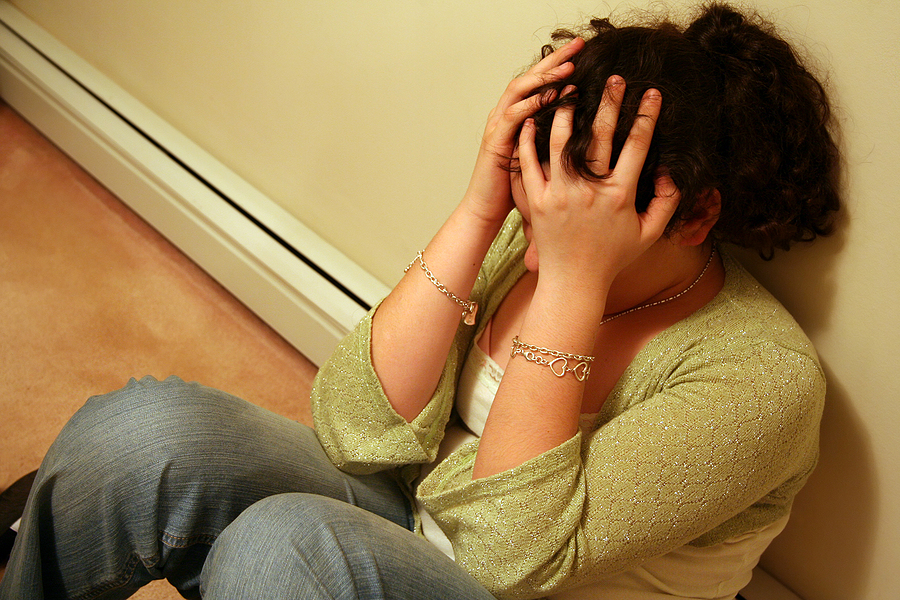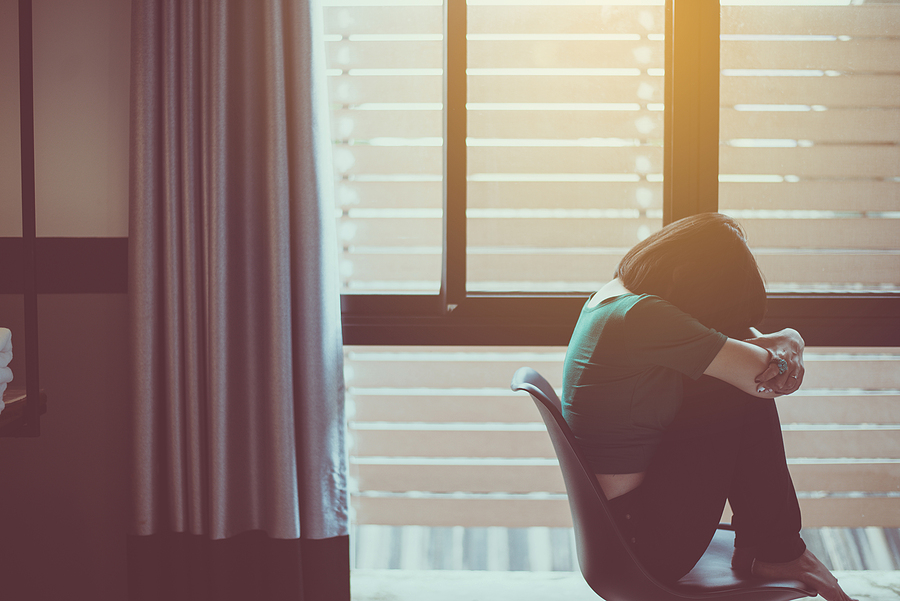
School performance is widely seen as an indicator of a teenager’s ability to function in the world, which is why it is concerning when their grades start to slip. In some cases, it can be an indicator of other problems in their lives, including mental health issues. Depression is common in teens due to a variety of factors. If you see your teen’s grades slipping, it is time to see if depression could be the cause.
The Connection Between Academic Performance and Teen Mental Health
Mental health and school performance are intertwined in ways that aren’t always obvious. A teen who once earned A’s and B’s might suddenly bring home C’s and D’s, not because they’ve stopped caring about school, but because depression has made it nearly impossible to focus, retain information, or find motivation to complete assignments.
How Depression Manifests in the Classroom
Depression doesn’t look the same in every teenager. Some teens become withdrawn and quiet. Others might act out or seem irritable. In the classroom, depression can show up as difficulty concentrating during lectures, trouble remembering information for tests, or an inability to start or finish homework assignments.
Your teen might sit in class but feel like they’re watching everything through fog. They hear the teacher talking but can’t process the words. They read the same paragraph five times without absorbing any of it. This isn’t laziness. It’s a symptom of depression affecting cognitive function.
The Difference Between Normal Grade Fluctuations and Depression-Related Decline
Every student has tough semesters. A challenging course, a bad teacher, or social drama can temporarily affect grades. Normal fluctuations usually affect one or two subjects and improve relatively quickly. Your teen might struggle with chemistry but still excel in history and English.
Depression-related academic decline looks different. It affects multiple subjects simultaneously. The decline persists over weeks or months. Your teen seems unable to bounce back, even with extra help or tutoring. They might express feelings of hopelessness about school or their future. These patterns suggest something more serious than typical academic struggles.
When to Seek Professional Evaluation for Your Teen
If your teen’s grades have declined significantly and you’ve noticed other concerning symptoms lasting more than two weeks, it’s time to seek professional help. Don’t wait for things to get worse or hope the problem resolves on its own.
Trust your instincts as a parent. You know your child better than anyone. If something feels off, it probably is. A professional evaluation can determine whether depression or another mental health condition is affecting your teen’s academic performance and overall well-being.
How Alis Behavioral Health Supports Teens With Depression
We specialize in helping teenagers navigate mental health challenges that affect their daily lives, including school performance. Our team understands that declining grades often signal deeper struggles that require professional support.
We offer comprehensive evaluations to identify depression and other mental health conditions. Our treatment approaches are tailored to each teen’s specific needs and circumstances. We work collaboratively with families and schools to create support systems that promote both mental wellness and academic success.
Find the Right Help For Your Family
Your teenager has the right to appropriate mental health care and educational support. If depression is affecting their academic performance, then it is time to get help from professionals who have the tools to address the problems the right way. Contact Alis Behavioral Health by calling (888) 528-3860 or using our online contact form. We can help you navigate these processes and advocate for the services your teen needs to succeed both emotionally and academically.